Beyond the Big Five: Why Tanzania's Vultures Matter
5 Minutes Read
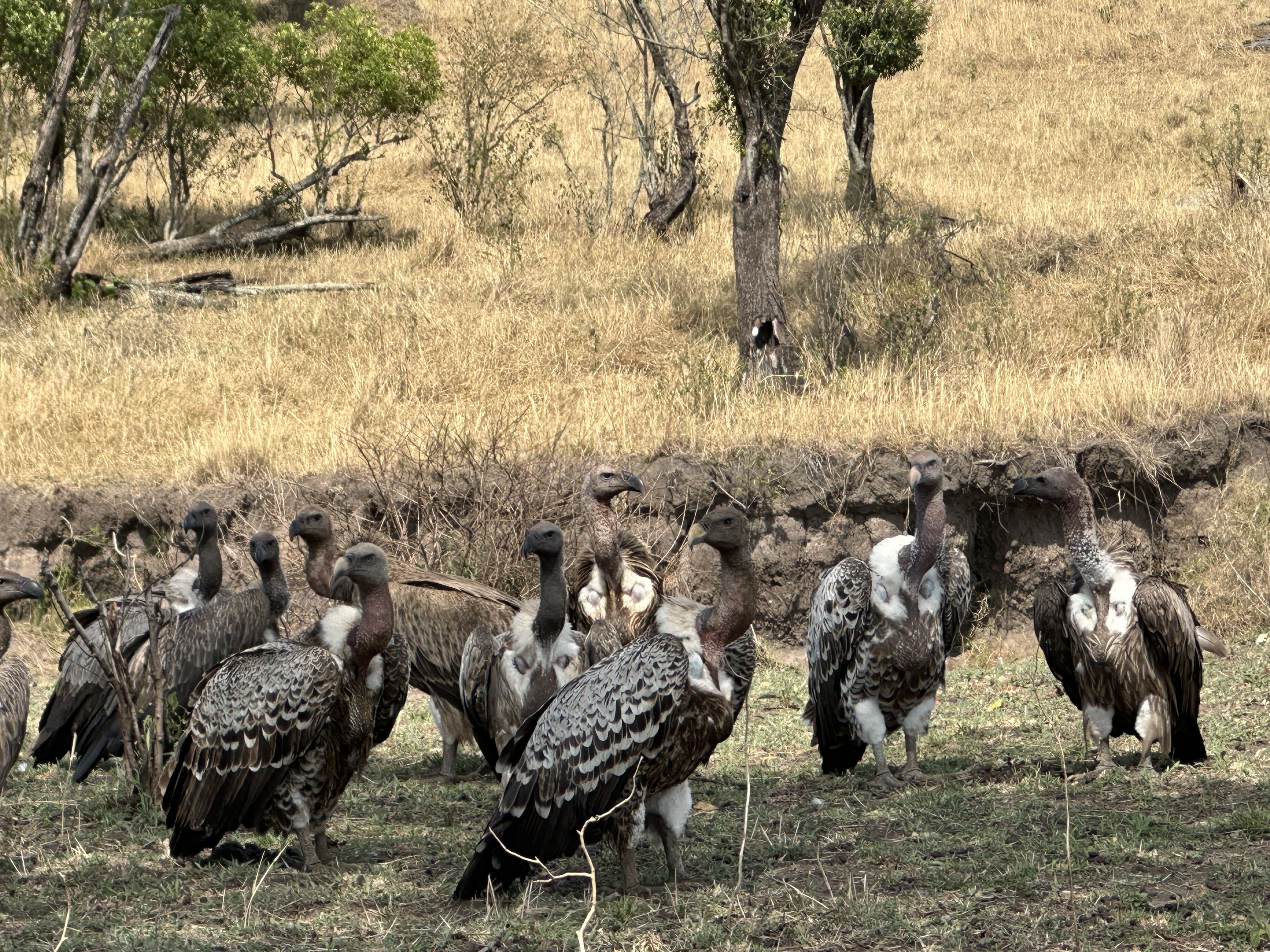
Imagine pausing on a safari drive, looking beyond the animals on the ground, and noticing birds circling overhead. Instead of moving on, you ask your guide a question: what role do vultures play here?
That curiosity is the beginning of a different kind of safari. An ecological safari is not just about collecting sightings of the Big 5. It is also about understanding how a living landscape fits together, from its celebrated mega-fauna like elephants, lions, and giraffes to its less glamorous but equally fascinating scavengers.
Meet nature’s clean-up crew
Vultures are birds that feed on dead animals. When they eat the carcasses of other animals, they provide a natural clean-up service and help reduce opportunities for contamination and the spread of disease to humans and to other animals. Their critical ecological role serves as a connection between wildlife conservation and the health of livestock, people, and the environment: the essence of the “One Health” approach to ecological management.
While a vulture may not be the first animal on your safari wish list, once you understand its place in the ecosystem, a sighting becomes more than a photograph. It becomes a glimpse of nature at work.
Remarkable birds facing a serious threat
Tanzania is home to eight vulture species. Six are classified as “Endangered” or “Critically Endangered,” the categories of conservation that signal a serious risk of extinction. These include White-backed, Ruppell’s, Lappet-faced, White-headed, Hooded, and Egyptian vultures.
Despite their unequaled ecological significance, vulture populations in Tanzania have undergone a precipitous decline in recent years as a result of intentional and unintentional poisoning.
Poisoning is a major threat. Vultures can become unintended victims of efforts to kill predators following livestock losses, and some are deliberately killed for their body parts. Protecting these birds therefore means working with people, not just protecting places. Communities need practical ways to safeguard their livelihoods alongside wildlife. Read about the threats and conservation response.
Reasons for hope
Conservation teams in Tanzania are using GPS tracking to monitor vultures and detect unusual movements that may indicate poisoning. They are also training rangers to respond to situations that put vultures at risk. At the same time, they are working with farmers and herders on alternatives to poison, including predator-deterrent lights. These efforts bring technology, local knowledge, and wildlife protection together. Explore this work with African Transformation on Environmental and Health Action (ATEHA.org) and The Peregrine Fund.
For visitors, this is an invitation to look more closely at nature’s clean-up crew. Ask your guide to include vultures in the conversation, not just the background of a game drive. What are the birds doing? How do they fit into the landscape? What challenges do people living alongside wildlife face?
Serengeti Steppe’s conservation commitment: Protecting Tanzania's vultures
At Serengeti Steppe, we believe that protecting wildlife means looking after the entire ecosystem, not just the animals that attract the most attention. Every species has a role to play in maintaining the balance of nature, and vultures are no exception.
For this reason, we have taken a conservation stance and chosen to partner with African Transformation on Environmental and Health Action (ATEHA) in support of vulture conservation in Tanzania.
We believe that for the African savannah to continue thriving, its vultures must be protected. These remarkable birds play an essential role in maintaining healthy ecosystems, yet they remain among the most threatened and overlooked wildlife species.
Through this partnership, we want to contribute to greater awareness and support for efforts to protect vultures and the landscapes they help sustain. We recognise that responsible tourism carries a responsibility beyond creating memorable experiences. It also means caring about the future of the wildlife and natural heritage that make these experiences possible.
For us, conservation is not separate from safari tourism. It is part of what makes protecting Tanzania's wilderness worth doing.
Make your safari a thoughtful one
You do not need to be a bird expert to take an interest in vulture conservation. Start with a few thoughtful choices:
Ask for time to observe. Tell your safari planner that birdwatching and understanding the ecosystem matters to you. Leave room for quiet observation rather than rushing between sightings.
Put wildlife first. Follow your guide’s instructions, observe from a respectful distance, and never bait or feed birds for a photograph.
Ask what conservation support means. Before booking, ask an operator to explain any claimed conservation contribution: who receives support, what efforts it funds, and how it is reported. A meaningful commitment should be more than a slogan.
Leave emergency responses to trained teams. If you notice sick or dead birds, alert your guide. Do not touch birds or carcasses or attempt a rescue yourself.
Share a different safari story. Alongside your favorite wildlife photographs, tell friends why vultures deserve protection.
Three questions to ask your Serengeti Steppe guide:
Which vulture species are we watching, and what clues help us tell them apart?
How do vultures help keep this landscape healthy, and what can their behavior teach us about the ecosystem?
What challenges do vultures face here, and how can you and other visitors support responsible and effective conservation efforts?
A safari that looks beyond the obvious
The most memorable safari moments are not always the ones you expected. Sometimes they begin with an overlooked bird and a good question.
When planning your Tanzania journey, ask for an itinerary that makes space for birds, ecological learning, and conversations about conservation. Wildlife sightings cannot be guaranteed, but curiosity can be part of every day.
Where This Story Takes You
Ngorongoro Crater
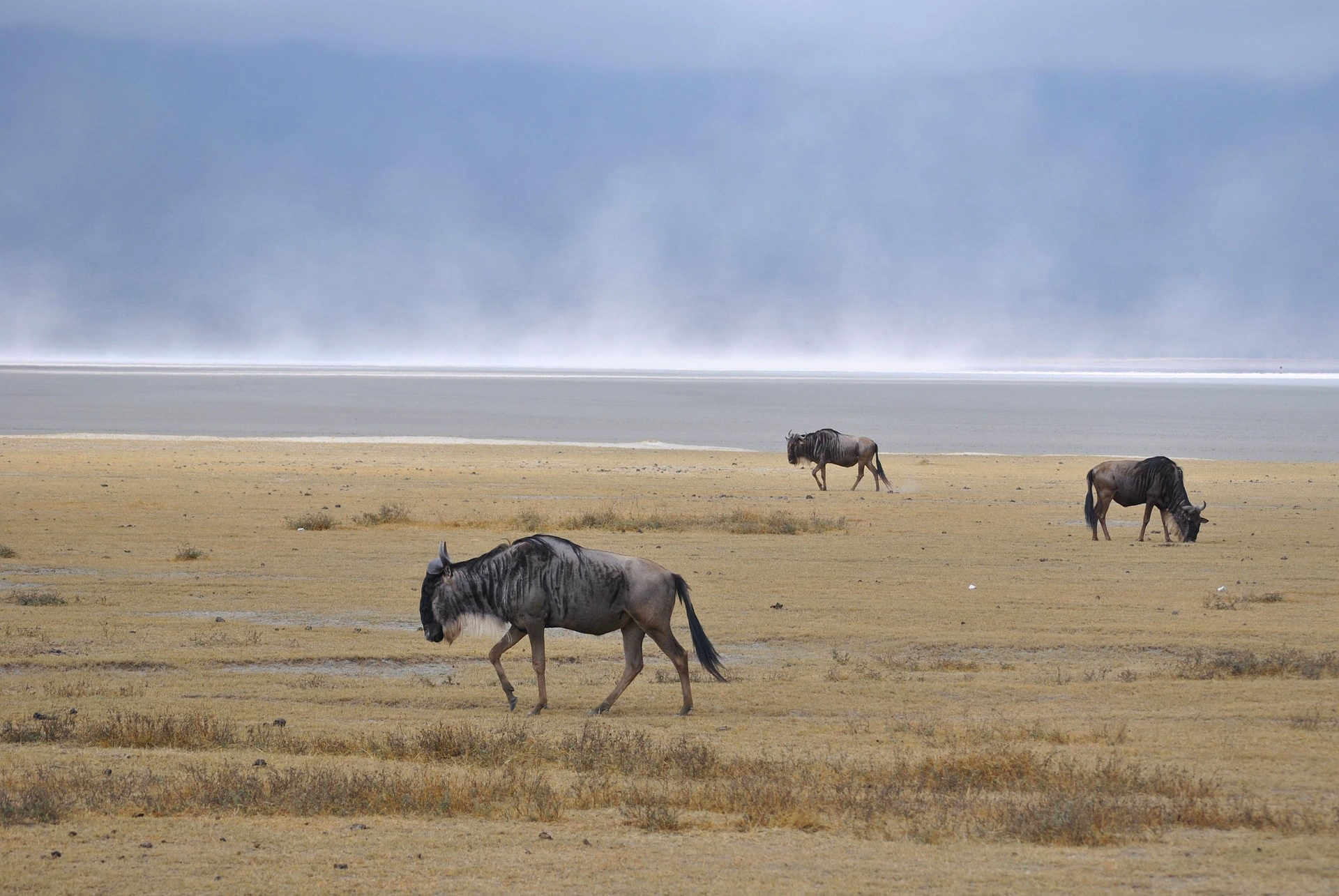
The Ngorongoro Conservation Area, a UNESCO World Heritage Site, is a unique and breathtaking natural wonder in northern Tanzania. It is home to the stunning Ngorongoro Crater, the world's largest intact and unfilled volcanic caldera. This natural enclosure provides a haven for an incredible density of wildlife, including the "Big Five" (lion, leopard, elephant, buffalo, and black rhino). The crater floor's diverse habitats, from grasslands to acacia forests, support a thriving ecosystem where visitors can witness an unparalleled concentration of animals in their natural habitat, offering a truly unforgettable safari experience.Beyond the famous crater, the Ngorongoro Conservation Area is a vast landscape of savannas, woodlands, and highland forests. This expansive area is not only a wildlife sanctuary but also a crucial site for human history and cultural heritage. It is here that the Olduvai Gorge, often called the "Cradle of Mankind," is located. This significant archaeological site has yielded some of the earliest evidence of human evolution, making it a pivotal location for understanding our origins. The conservation area's dual focus on wildlife and human heritage makes it a place of profound scientific and cultural importance.What sets the Ngorongoro Conservation Area apart is its unique model of conservation, which allows for a harmonious coexistence between wildlife and the Maasai people, who have traditionally grazed their livestock in the area for centuries. This innovative approach ensures that the land is protected for both its ecological value and its cultural significance. Visitors have the opportunity to engage with the Maasai communities, gaining insight into their traditional way of life and a deeper appreciation for the rich cultural tapestry of the region. A visit to Ngorongoro offers a powerful blend of spectacular natural beauty, incredible wildlife viewing, and a deep connection to human history and living cultures.
The Serengeti
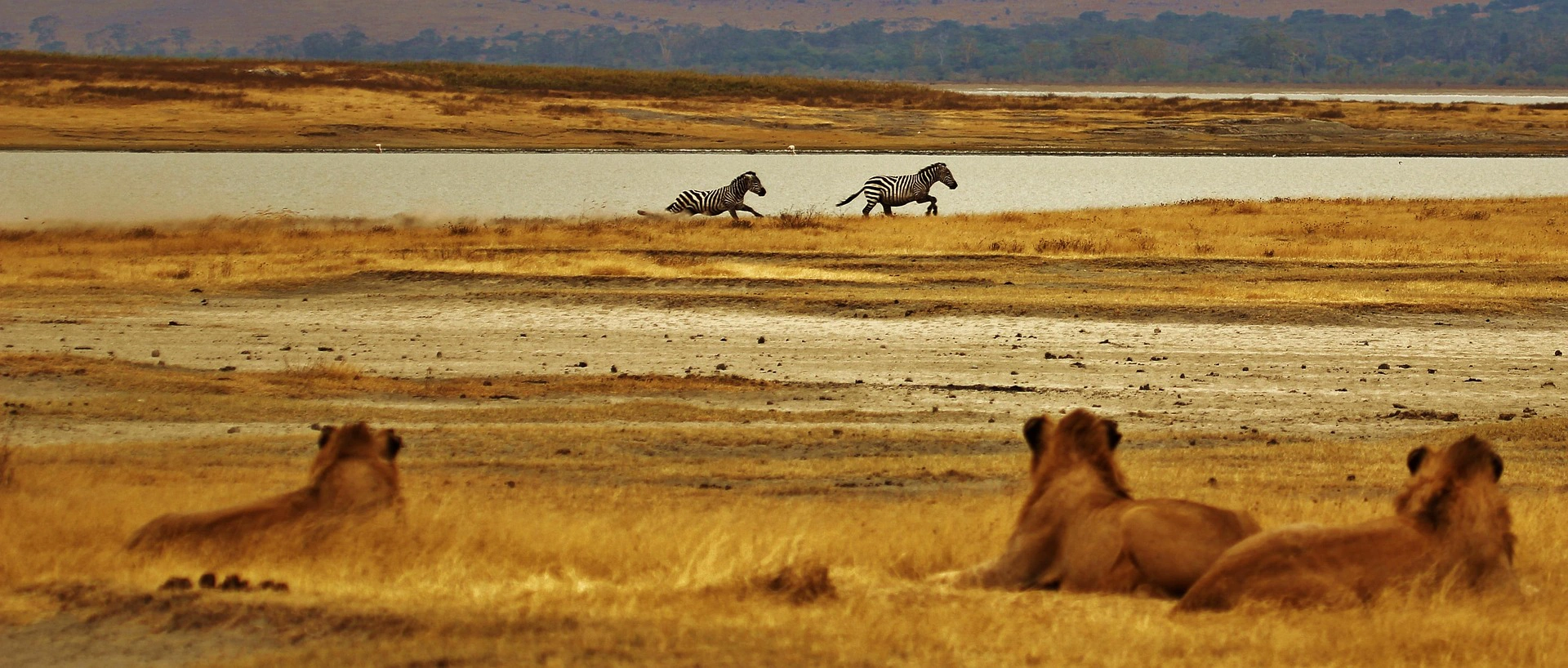
The Serengeti is a vast natural wonder in northern Tanzania, stretching as far as the eye can see. Its name comes from the Maasai word "Siringet", meaning endless plains, a fitting description for its rolling grasslands and open skies. Covering nearly 15,000 square kilometers, the Serengeti is home to Africa’s largest and most diverse wildlife populations, making it one of the world’s greatest game drive destinations.A Year-Round Wildlife ParadiseEvery season in the Serengeti offers something unique. The dry months from June to October bring incredible wildlife viewing as animals gather around scarce water sources, while the green season transforms the park into a lush haven, alive with birdlife and newborn animals. Whether you’re spotting a pride of lions in the golden morning light or watching giraffes move gracefully across the plains, the Serengeti always delivers unforgettable moments.Witness the Great Wildebeest MigrationOne of nature’s most dramatic events, the Great Migration, unfolds across the Serengeti and the Masai Mara in Kenya. Over 1.5 million wildebeest, accompanied by thousands of zebras and gazelles, move in a circular route each year in search of fresh grazing. From river crossings in the north, where crocodiles wait below, to the calving season in the southern plains, every stage of this journey tells a story of survival and resilience.
Tarangire
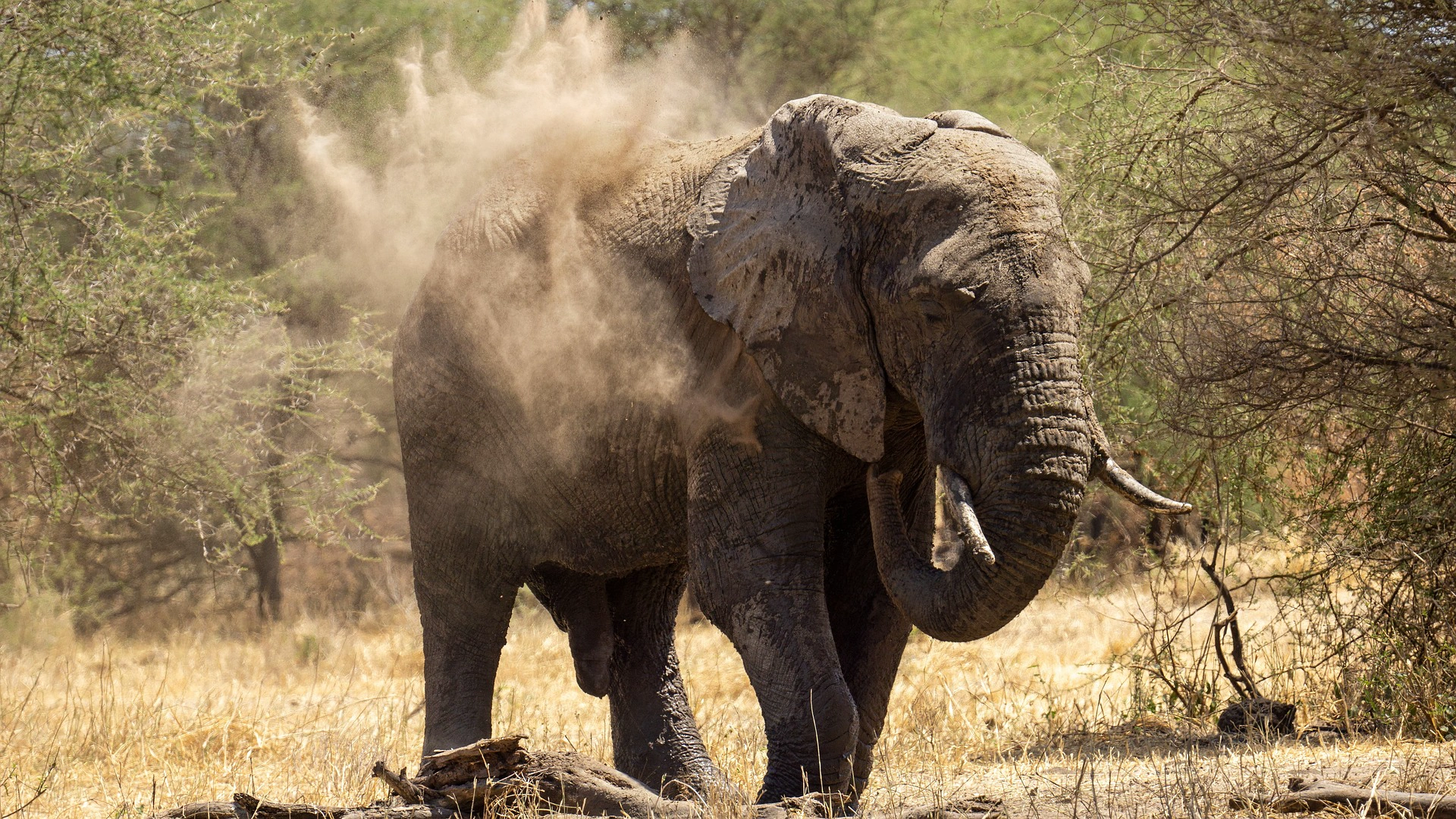
Tarangire National Park is a jewel in Tanzania's northern safari circuit, renowned for its spectacular scenery and an unparalleled concentration of wildlife. The park's landscape is a captivating mix of grassy savannas, acacia woodlands, and ancient baobab trees that stand as silent sentinels over the plains. The Tarangire River, from which the park takes its name, is its lifeblood, attracting an astonishing number of animals during the dry season. This period, from June to October, transforms the park into a magnificent spectacle as thousands of animals, including massive herds of elephants, gather along the riverbanks to drink and graze.What sets Tarangire apart is its massive elephant population, the highest concentration of elephants in any park in Tanzania. Herds of up to 300 individuals can be seen traversing the park, a truly breathtaking sight. But the park's appeal extends far beyond these gentle giants. It is also home to a diverse array of other wildlife, including lions, leopards, and cheetahs, as well as an abundance of zebras, wildebeest, buffalo, and a variety of unique antelopes like the elegant fringe-eared oryx and the long-necked gerenuk. The swamps and riverine areas also provide a sanctuary for a thriving population of hippos and other water-loving animals.For bird enthusiasts, Tarangire is nothing short of a paradise, with over 550 bird species recorded. The park's diverse habitats, from its swamps and riverbanks to its woodlands and open plains, provide a haven for both resident and migratory birds. Visitors can spot everything from the colorful yellow-collared lovebirds to the majestic bateleur eagles. Whether you're a seasoned safari-goer or embarking on your first adventure, Tarangire offers a raw and authentic African experience, a place where the grandeur of nature unfolds on a magnificent scale and provides a deep connection to the wild heart of Tanzania.
Lake Manyara
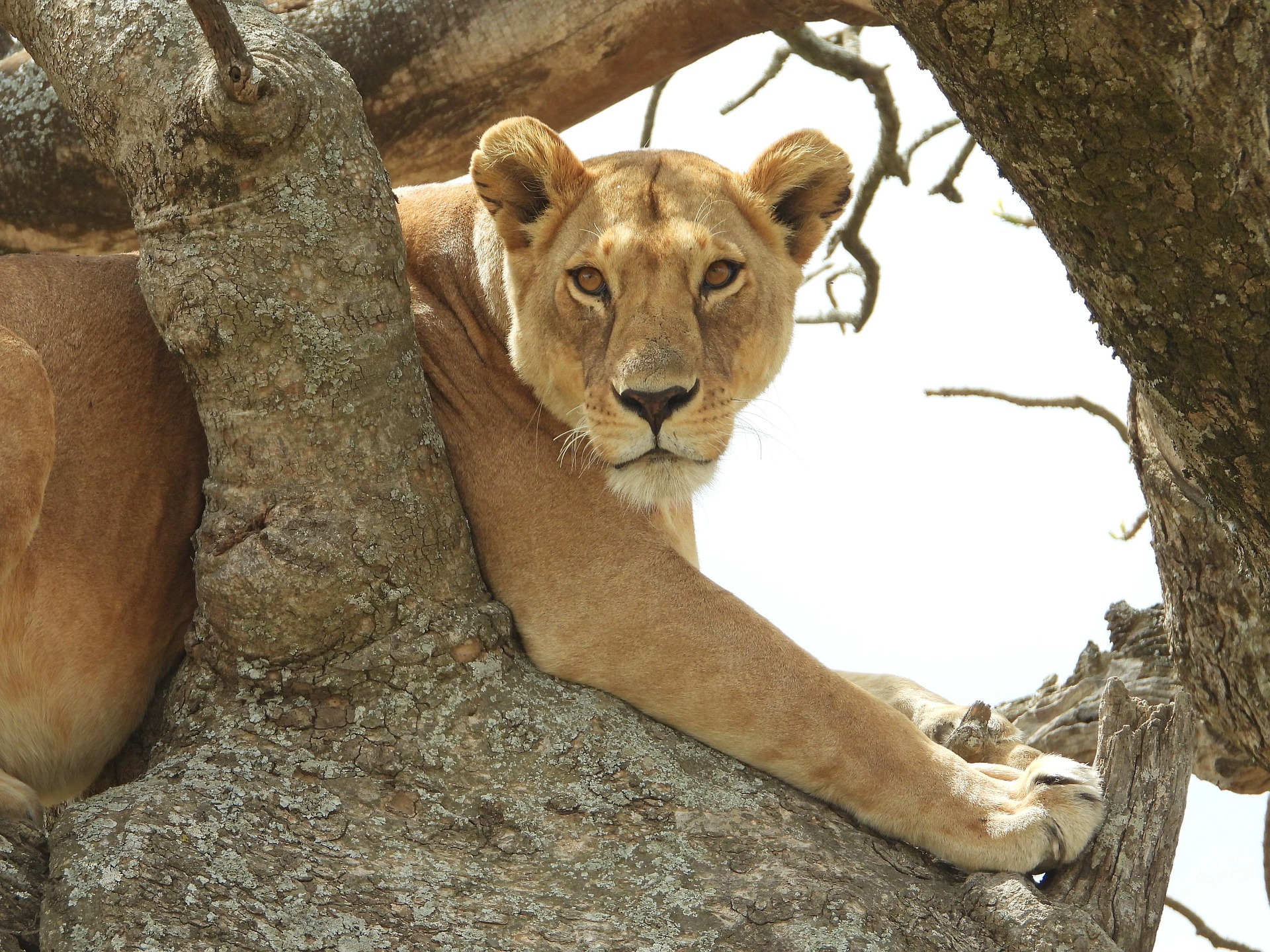
Situated beneath the magnificent cliffs of the Great Rift Valley, Lake Manyara National Park is a compact yet incredibly diverse safari destination. Often referred to as "Ernest Hemingway's loveliest park," this scenic gem offers an extraordinary variety of habitats within a small area, from the lush groundwater forests at the park's entrance to the acacia woodlands and grassy floodplains that stretch to the shores of its namesake lake. This unique ecological tapestry supports an impressive concentration of wildlife and makes for a visually stunning backdrop to any safari.The park is famous for a few unique features. Most notably, Lake Manyara is one of the only places in Africa where you can spot the rare tree-climbing lions, often found lounging languidly in the branches of acacia and sausage trees. The park also boasts one of the highest concentrations of baboons in the world, with large, active troops providing constant entertainment. Beyond the primates and felines, visitors can expect to see large herds of elephants, which the park was originally established to protect, as well as buffalo, giraffes, wildebeest, and various antelopes.Lake Manyara itself is a shallow, alkaline lake that is a major attraction, especially for birdwatching. During the wet season, the lake is a breathtaking sight, with vast flocks of pink-hued flamingos creating a vibrant spectacle on its shores. Over 400 bird species have been recorded here, making it a true birder's paradise year-round. Beyond traditional game drives, the park also offers opportunities for canoeing on the lake, walking safaris along the rift valley escarpment, and a unique treetop walkway for a bird's-eye view of the forest canopy, providing a different perspective on this remarkable park.
Live the Moments Described
Safari Game Drives
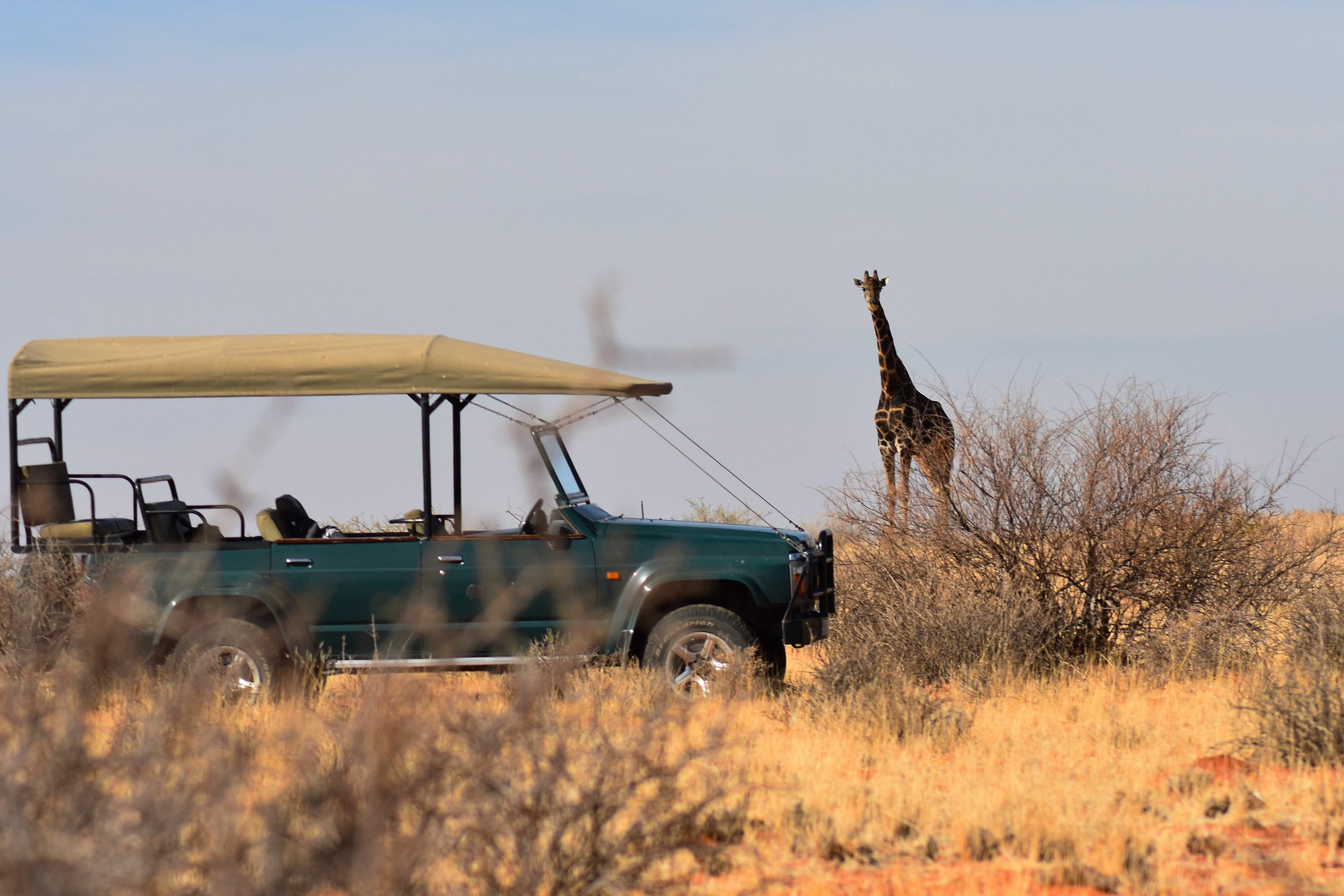
A game drive is your window into the wild heart of Tanzania, a chance to traverse open plains, follow fresh animal tracks, and witness extraordinary moments in nature. Guided by experienced guides in specially designed 4×4 vehicles, you’ll enjoy comfort, panoramic views, and an intimate wildlife experience with small group sizes.The most rewarding times are often the cool hours of early morning and the golden light of late afternoon. Mornings might start with the aroma of fresh coffee as you set out, pausing mid-drive for a picnic breakfast overlooking the savannah. In the afternoons, drives flow into the magic of sunset, complete with chilled drinks, snacks, and skies ablaze in colour.Serengeti Steppe offers private game drives, giving you the flexibility to explore at your own pace and savour every moment of the wilderness.
Bird-watching Safaris
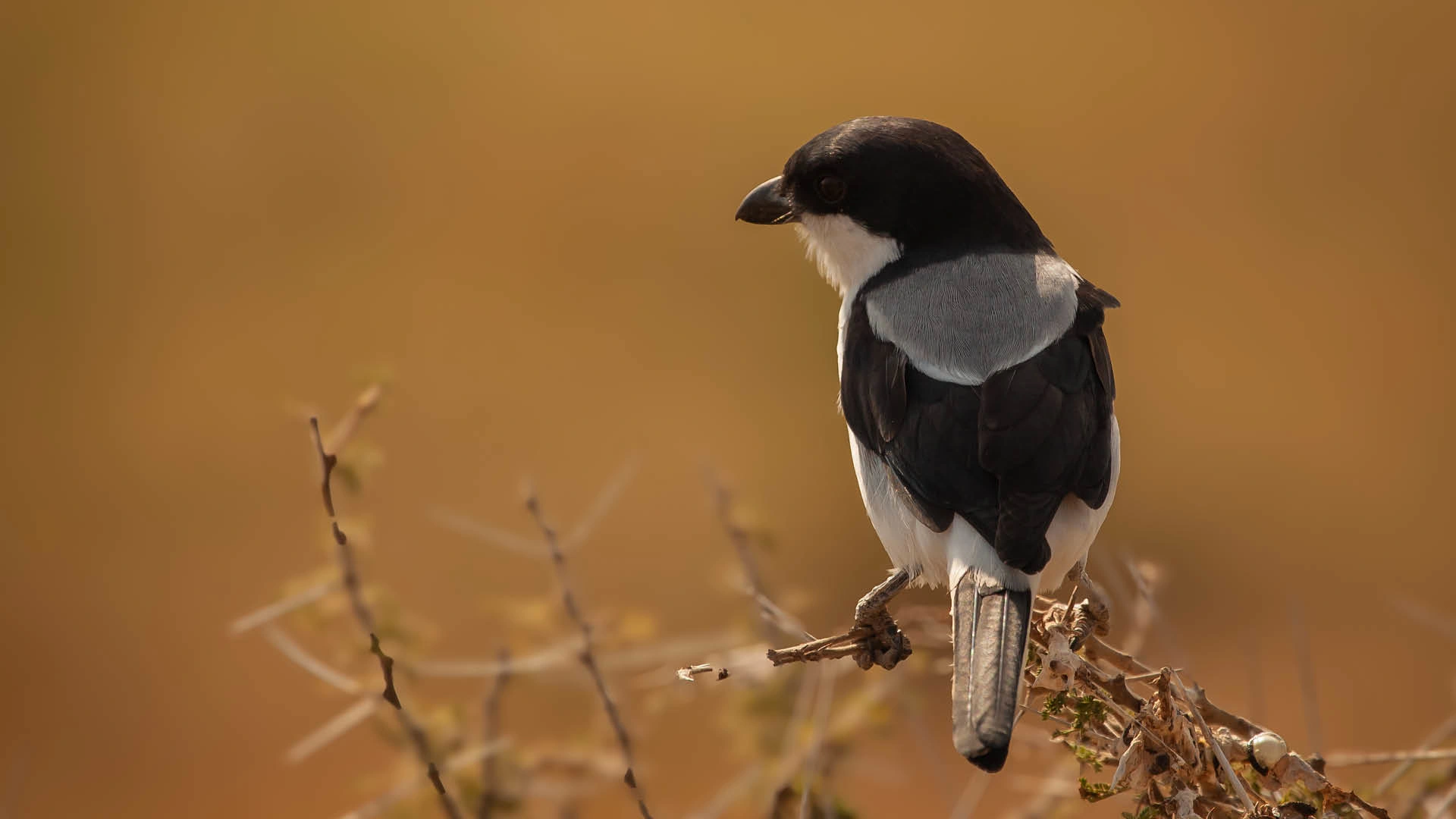
For bird enthusiasts, a Serengeti Steppe birding safari is a must. East Africa is a migratory hub where hundreds of species from Europe, Asia, and Africa converge, set against dramatic, cinematic landscapes reminiscent of “Out of Africa.” It’s a paradise for those seeking both beauty and discovery.Guided by local experts who know the land and its feathered inhabitants intimately, you’ll explore the wilderness at a pace that allows you to observe and appreciate birds in their natural habitats. Walks and stops are interspersed throughout the safari to bring you closer to elusive and rare species.From soaring raptors to colorful songbirds, every sighting is a chance to connect with the wild in a quiet, contemplative way. Serengeti Steppe ensures that your birding experience is not just a checklist, but a meaningful journey into East Africa’s vibrant avian world.
The Great Wildebeest Migration
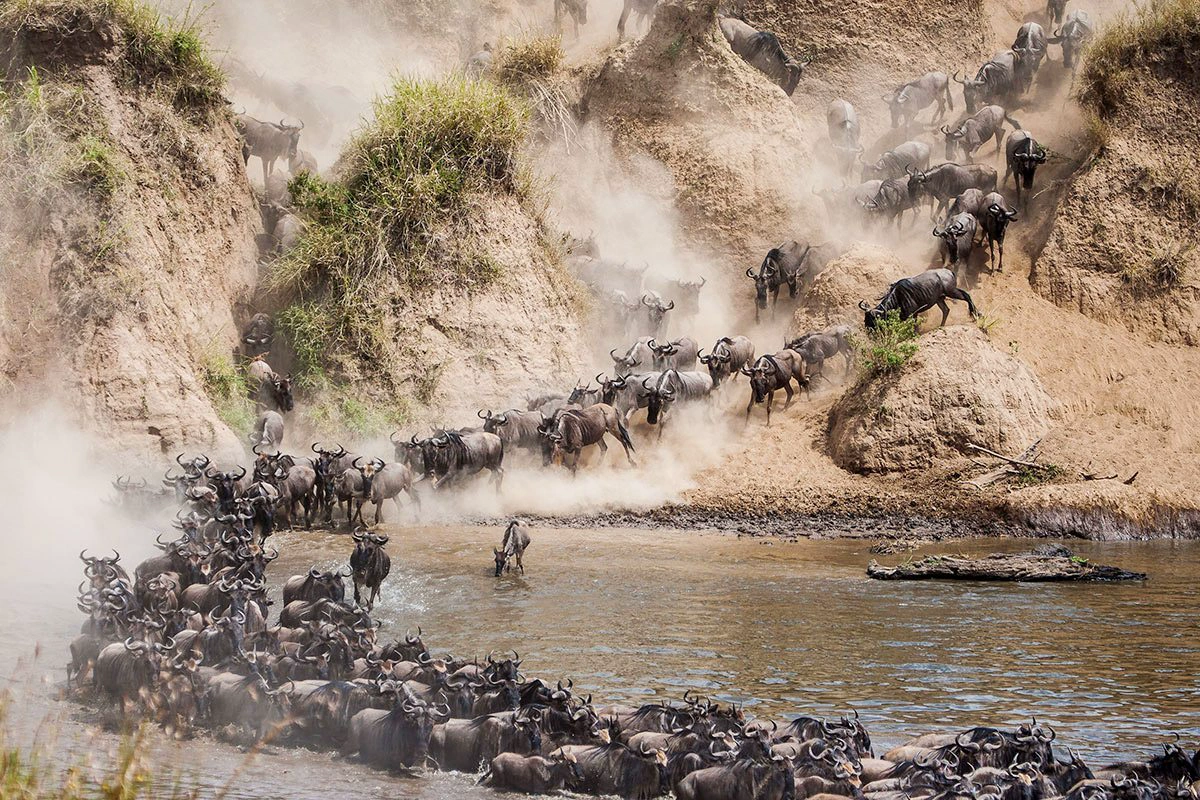
Welcome to the heart of Africa's most breathtaking spectacle: the Great Wildebeest Migration. A true wonder of the natural world, this annual journey sees over a million wildebeest, zebras, and gazelles traverse the Serengeti-Mara ecosystem in a relentless quest for fresh grazing lands and water. Our guide provides an in-depth look at this epic migration, offering expert insights to help you plan your once-in-a-lifetime safari.What is the Great Wildebeest Migration?The Great Wildebeest Migration is a continuous, year-round movement of herds across Tanzania's Serengeti National Park and Kenya's Maasai Mara National Reserve. It is not merely a wildlife event; it is the largest overland migration on Earth, involving millions of wildebeest, zebras, and gazelles. Celebrated as "the greatest show on earth," it is also counted among Africa's "Seven Natural Wonders." This epic journey sees over a million animals, primarily wildebeest, but also tens of thousands of zebras and gazelles thundering across the vast plains of the Serengeti-Mara ecosystem. Driven by ancient instinct, they follow the rains in an endless search for fresh grazing and water, creating a cyclical pattern of life and survival. The migration is not a single event but a dynamic process with different highlights throughout the year, including dramatic river crossings and the calving season.What Makes This Natural Wonder So UniqueThe sheer scale and drama of the migration are what set it apart. Columns of animals can stretch for miles, creating a spectacle that is truly breathtaking to witness. The cycle of life and death is on constant display, from the joyous intensity of the calving season in the south to the heart-stopping river crossings, where predators lie in wait. This is a story of survival, a testament to the raw power of nature, and an unforgettable experience for anyone who witnesses it.A Quick Overview of the Serengeti & Maasai MaraThe migration takes place within two magnificent national parks in East Africa:Tanzania's Serengeti National Park: The herds spend the majority of their time, roughly 9-10 months, within the Serengeti's endless plains. This is where the migration begins with the dramatic calving season and continues with the Grumeti and Mara River crossings. A safari in the Serengeti offers a more expansive and less-crowded experience.Kenya's Maasai Mara National Reserve: The final chapter of the migration’s northern journey takes place here, most famously with the chaotic and thrilling Mara River crossings. The herds typically enter the Maasai Mara for a period of 2-3 months before beginning their return journey south.The Migration Cycle: A Month-by-Month BreakdownDecember to March (Ndutu & Southern Serengeti, Tanzania): The Calving SeasonEach year, over a million wildebeest, along with zebras and gazelles, gather in the lush southern Serengeti and Ndutu plains to give birth. This is the beginning of the migration cycle, when around 400,000 calves are born in just a few weeks. The abundance of newborns attracts predators such as lions, cheetahs, hyenas, and leopards, creating dramatic encounters between hunter and prey.Highlight: Witnessing the calving season offers an unparalleled chance to see the circle of life, newborn calves taking their first steps while predators seize the opportunity to hunt.Expert Tip: This is a dream season for wildlife photographers, with stunning light, short grasses for clear views, and raw, untamed drama on display.April to May (Central & Western Serengeti, Tanzania): The Journey NorthAs the rains shift, the herds begin moving northward through the central Serengeti. Endless columns of wildebeest stretch for miles, joined by zebras and antelopes as they search for fresher grazing grounds. By May, the herds gather in the Serengeti’s Western Corridor near the Moru Kopjes, where the rutting (mating season) begins, and the landscape vibrates with clashing males.Highlight: This period is quieter in terms of tourism, meaning fewer safari vehicles and more exclusive wildlife experiences.Expert Tip: May often brings the first river crossings at the Grumeti River maybe smaller than the Mara crossings but still thrilling, with crocodiles waiting for their chance. A great time for value-for-money safaris.June to July (Western & Northern Serengeti, Tanzania): The Grumeti River CrossingsBy June, the herds pack densely along the Grumeti River, where they face their first dangerous water crossing. Massive Nile crocodiles lie in wait as thousands of wildebeest plunge into the water. This is also the start of the dry season, concentrating wildlife around rivers and waterholes.Highlight: The Grumeti River crossings combine spectacle and intensity, a true test of survival for the migrating herds.Expert Tip: Camps and lodges near the Grumeti book out early. Plan your safari months in advance if you want front-row access to this extraordinary event.August to October (Northern Serengeti, Tanzania & Maasai Mara, Kenya): The Mara River CrossingsThis is the most iconic and dramatic phase of the migration. Herds numbering in the hundreds of thousands gather on the banks of the Mara River, hesitating before charging into the crocodile-infested waters. Chaos unfolds as predators stalk both banks, and sheer numbers overwhelm the river. Crossings can last minutes or hours, but they are unpredictable as nature follows no schedule.Highlight: The Mara River crossings are one of the greatest wildlife spectacles on Earth, with breathtaking scenes of life, death, and survival.Expert Tip: Be prepared to spend several days near the Mara River, as patience is key. This is peak safari season, so secure flights and lodges at least a year in advance.November (Eastern & Southern Serengeti, Tanzania): The Return SouthAs the short rains arrive, the herds begin moving back south through the Serengeti. The plains turn green again, offering fresh pastures for the wildebeest, zebras, and gazelles. The migration disperses over wide areas, creating a more tranquil but equally rewarding safari atmosphere.Highlight: With fewer crowds, November safaris are peaceful, and the landscapes are refreshed with lush greenery and dramatic skies.Expert Tip: This is an ideal time for photographers who enjoy wide landscapes, vivid colors, and more intimate wildlife encounters with fewer vehicles around.Where to See the Great Wildebeest MigrationThe Great Wildebeest Migration is a continuous, year-round journey that spans across the vast Serengeti-Mara ecosystem. Knowing where the herds are at any given time of the year is key to planning an unforgettable safari. While the migration's exact timing is unpredictable, it generally follows a predictable clockwise pattern, driven by the search for water and fresh grazing.Serengeti HighlightsThe Serengeti National Park is home to the migration for most of the year. The herds move through different regions of the park depending on the season, each offering a unique experience.Ndutu Region (December - March): This is the famed calving season. Located in the southern Serengeti and northern Ngorongoro Conservation Area, the short-grass plains of Ndutu become a massive nursery. Over half a million wildebeest calves are born here in a short, intense period, creating a feast for predators. It's a spectacle of new life and intense predator-prey drama.Grumeti River & Western Corridor (May - July): As the grasses in the south dry up, the herds begin their northward journey, creating long columns that stretch for miles. This movement leads them to the Western Corridor and the Grumeti River. Here, the animals face their first major obstacle: the crocodile-infested Grumeti River. While less dramatic than the Mara River crossings, the spectacle of thousands of animals hesitating and then plunging into the murky waters is a thrilling sight.Northern Serengeti (July - October): This is the season of the most famous and dramatic river crossings. The herds congregate at the Mara River, which flows through the northern Serengeti and into Kenya's Maasai Mara. For days, the wildebeest can build up on the riverbanks, creating an atmosphere of anticipation before they finally take the leap. The sheer volume of animals, the presence of crocodiles, and the high banks make for a truly epic and suspenseful viewing experience.Maasai Mara HighlightsWhile the Serengeti holds the herds for most of the year, the Maasai Mara National Reserve is the grand finale of the migration.Mara River & Main Crossing Points (July - October): The Mara River is the centerpiece of the migration in Kenya. This is where the most iconic and dramatic river crossings occur as the wildebeest cross into the lush plains of the Maasai Mara. Key crossing points along the river are often named and are where safari vehicles gather to witness the action. These crossings are chaotic, emotional, and unforgettable.Mara Triangle: The western section of the Maasai Mara, known as the Mara Triangle, is an excellent place to witness the migration. It is often less crowded than the main reserve, offering a more serene and private safari experience with incredible wildlife sightings, including the migration herds.The River Crossings – Nature’s DramaThe river crossings are the most famous and dramatic part of the Great Migration, and Tanzania offers two distinct opportunities to witness this spectacle. While the Mara River crossings are the pinnacle of this event, the herds must first contend with the crocodile-infested waters of the Grumeti River, a vital part of the journey that takes place entirely within the Serengeti National Park.Why River Crossings Are So FamousThe river crossings capture the imaginations of millions for several reasons:Life and Death Struggle: This is a literal survival-of-the-fittest event. The crossings are fraught with danger from two main predators: giant Nile crocodiles lurking in the water and lions and leopards waiting on the banks. Witnessing this intense struggle is a powerful and humbling experience.Sheer Scale: The sheer volume of wildebeest and zebras involved is breathtaking. The herds can stretch for miles, and the sound of their hooves thundering across the plains and splashing into the water is an unforgettable sensory experience.Unpredictable Action: The drama isn't just about the crossing itself. The herds can gather on the banks for days, building a palpable tension. Then, in an instant, a single wildebeest might take the leap, triggering a stampede of thousands behind it. The unpredictability is part of the thrill.The Crossing PointsTanzania offers two unique river crossing experiences, each with its own character and timing:The Grumeti River Crossing (May - July): This is the first major river crossing of the migration. As the herds move north, they must brave the Grumeti River in the Western Corridor of the Serengeti. While the crossings here are generally smaller and less frenzied than at the Mara River, they are a fascinating spectacle in their own right. The Grumeti River is home to some of the largest Nile crocodiles in Africa, making this an intense and captivating sight.The Mara River Crossing (July - October): This is the main event. While the Mara River flows through both Tanzania and Kenya, the wildebeest spend several months crossing back and forth in the northern Serengeti. A safari here allows you to witness the same iconic, chaotic crossings that are famous on the Kenyan side, but from a location that is often less crowded and feels more wild and remote.Timing & Planning Your SafariThe river crossings are the most difficult event to predict, as they are entirely dependent on rainfall and the instincts of the herds. To maximize your chances of witnessing a crossing:Peak Season: The main Mara River crossings occur between July and October. This is the best time to book a safari in the northern Serengeti, which is home to numerous luxury and mobile camps specifically designed to follow the herds and position you for a crossing.Be Patient: Go into your safari with the understanding that a crossing is a bonus, not a guarantee. Your experienced Tanzanian guide will use their knowledge to get you into the best possible position, but the animals move on their own schedule.Safety & Crowds: Always listen to your safari guide. They are experts on the animals' behavior and the safe distances to maintain. While some popular crossing points can attract crowds, the vastness of the Serengeti often allows for more exclusive viewing opportunities compared to the smaller Maasai Mara.Tips for Experiencing the Great MigrationPlanning a safari to witness the Great Migration requires strategic thinking. As a Tanzanian operator, we want to provide you with the essential tips to ensure your trip is not just successful, but truly a once-in-a-lifetime adventure.Booking Early: Secure Your Once-in-a-Lifetime AdventureThe most crucial tip for a migration safari is to book well in advance. The camps and lodges strategically located along the migration route have limited availability and are in extremely high demand, especially during the peak river crossing season.When to Book: To secure your preferred dates and accommodation, we recommend booking your safari at least 12 to 18 months ahead, particularly for the popular months of June through October. This is especially vital for the mobile camps that move with the herds, as they sell out very quickly.Benefits of Early Booking: Booking early not only guarantees your spot but also allows you ample time to prepare, secure flights, and work with our team to customize the perfect itinerary without the pressure of last-minute availability.It's Your Choice When to Go: The Migration is a Yearly CircleMany people believe the migration is a single event that only happens during the famous river crossings. This is a common misconception. The truth is, the Great Migration is a continuous, year-round cycle, and the herds spend the vast majority of their time within Tanzania's Serengeti ecosystem. This means you can see the migration at different stages throughout the year, each offering a unique spectacle.The Calving Season (December - March): Located on the southern short-grass plains of the Serengeti, this is a beautiful and moving time to visit. With over 80% of the calves born in just a few weeks, the plains are teeming with new life, and the predator-prey action is at its peak.The Journey North (April - June): This is a quieter, less-crowded season to witness the magnificent columns of wildebeest as they begin their long march north. The landscape is lush and green, and the Grumeti River crossings are a dramatic prelude to the main event.The River Crossings (July - October): The most famous spectacle, as the herds brave the crocodile-filled Grumeti and Mara Rivers. You can witness this incredible event from the Tanzanian side of the Mara River, which often offers a more secluded and authentic experience with fewer vehicles.There is More to Tanzania Than the MigrationWhile the Great Migration is a world-class attraction, Tanzania has so much more to offer. Don't limit your safari to just the Serengeti. A well-planned itinerary can combine the migration with other spectacular parks to give you a complete Tanzanian experience.Ngorongoro Crater: A UNESCO World Heritage Site and a natural amphitheater of wildlife. The crater floor is home to the densest population of big cats in Africa, and it's one of the best places to see the Big Five in a single day.Tarangire National Park: Known for its enormous elephant herds, iconic baobab trees, and fantastic game viewing, especially during the dry season.Zanzibar: After the dusty safari plains, relax on the pristine white-sand beaches of the Spice Island. A Zanzibar extension offers a perfect end to your adventure, combining thrilling wildlife with cultural exploration and relaxation.By booking early and being open to the different stages of the migration, you will experience the best of what Tanzania has to offer, from the awe-inspiring cycle of life in the Serengeti to the diverse and breathtaking landscapes of the country's other national parks.
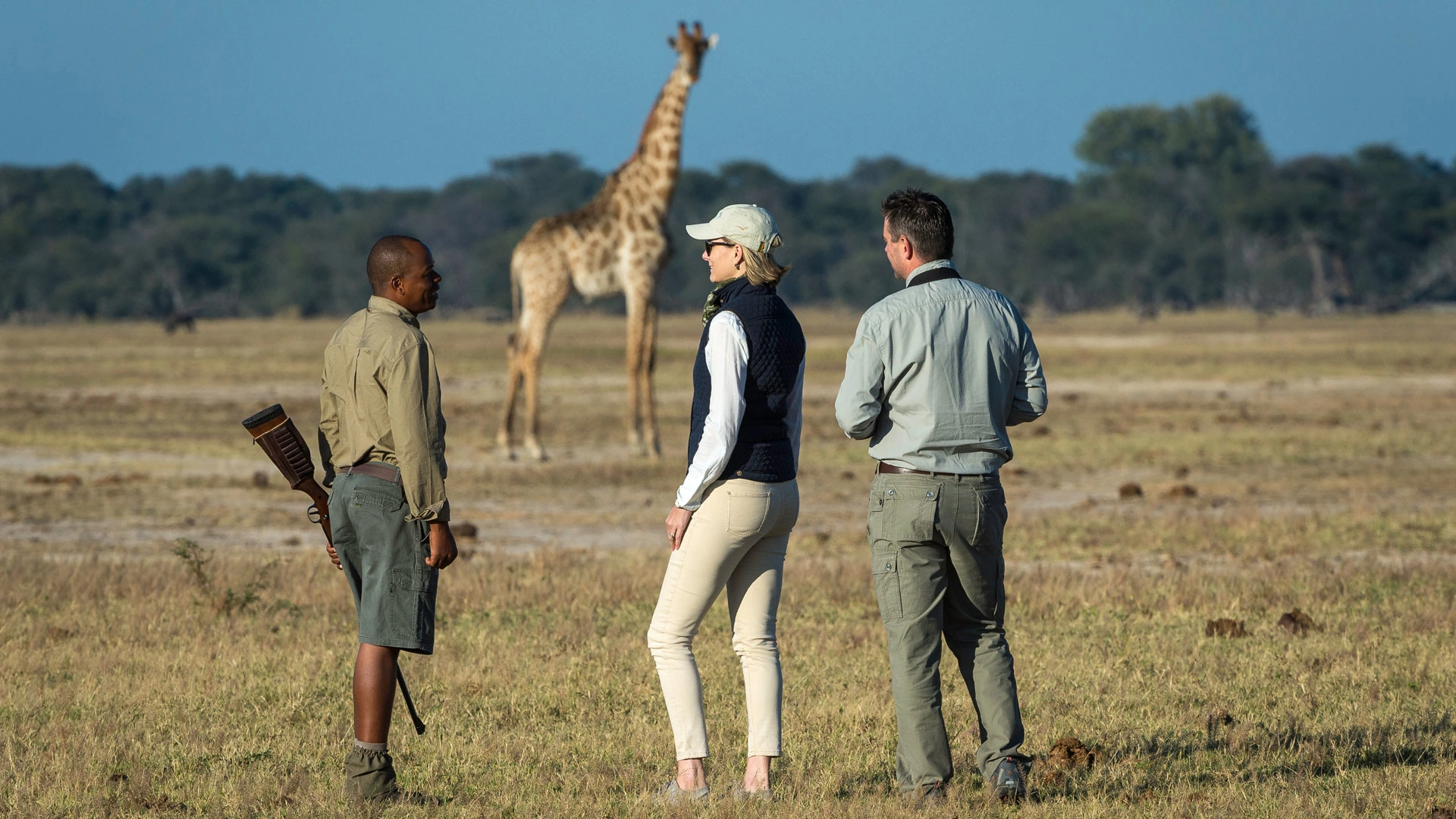
Walking Safaris
Step out of the safari vehicle and into the heart of the Tanzanian wilderness. A walking safari offers a truly immersive and intimate encounter with nature, engaging all your senses in a way a traditional game drive cannot. Feel the earth beneath your feet, listen to the rustle of the grass, smell the wild herbs, and see the intricate details of the ecosystem often missed from a distance. This guide is your key to understanding the magic of a walking safari in Tanzania's most pristine national parks.What is a Walking Safari?A walking safari is a guided trek through a national park or game reserve, providing a unique perspective on the African bush. Unlike a game drive focused on spotting big animals, a walk is about the entire ecosystem. It's an educational and thrilling experience where an armed, qualified guide and a park ranger lead you to discover everything from animal tracks and dung to the smallest insects and plants, all while maintaining a safe and respectful distance from large predators.Top Tanzania National Parks for Walking SafarisTarangire National Park: Known for its majestic baobab trees and large herds of elephants, Tarangire offers excellent walking opportunities, particularly along the riverbanks. The focus here is on understanding the delicate balance between the elephants and their environment.Arusha National Park: A perfect walking destination for those seeking a mix of landscapes. Walk through lush forests, past tranquil lakes, and across the lower slopes of Mount Meru, with the chance to see a variety of primates and birds.Ruaha National Park: As Tanzania's largest national park, Ruaha provides a wild and authentic walking experience. Its remote location means fewer crowds, and the dramatic landscapes, combined with a high density of predators, make for an unforgettable adventure.Serengeti National Park: While not permitted everywhere, walking safaris are offered in specific areas of the Serengeti, providing an incredible opportunity to get up close to the legendary plains and witness the Great Migration on foot.Nyerere National Park (formerly Selous Game Reserve): This is one of the best places in Africa for a walking safari. Its diverse habitats, including the vast Rufiji River, offer a chance to spot wild dogs, hippos, and a wide variety of birds.