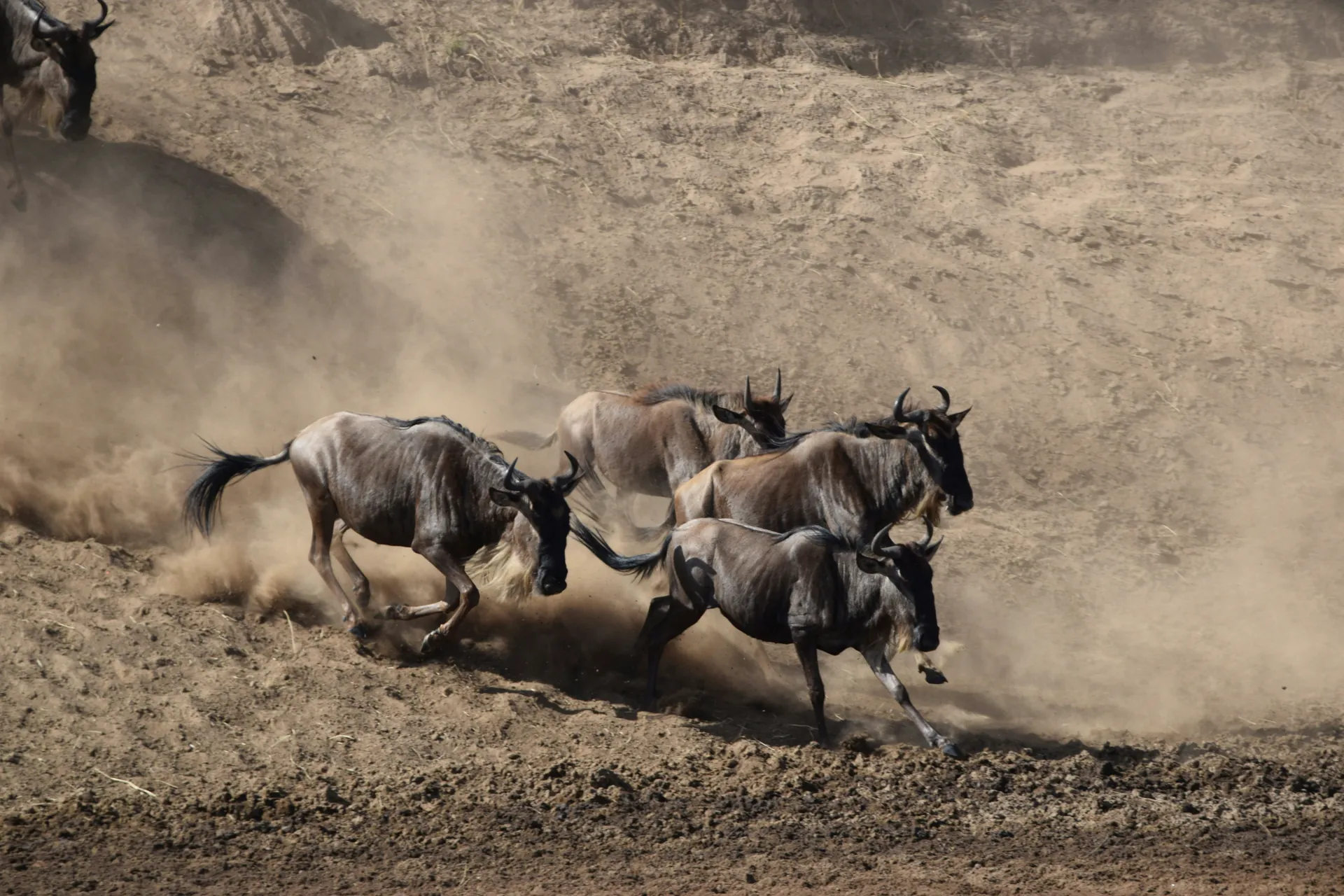
7 Day - Great Migration River Crossing Safari
From
pp (USD)
Destinations Covered
Ngorongoro Crater

7 Day - Great Migration River Crossing Safari
Overview
Experience the extraordinary drama of the Great Migration on this 7-day Tanzania safari, combining the wildlife-rich plains of Northern Serengeti, the legendary Central Serengeti and the magnificent Ngorongoro Crater. Begin your journey in Arusha before flying directly into Northern Serengeti, where enormous herds of wildebeests and zebras gather near the Mara River during the migration season.
Spend four nights exploring this spectacular wilderness, searching for dramatic river crossings, powerful predators, and unforgettable wildlife encounters. Continue south through the Serengeti's sweeping savannah landscapes to Central Serengeti, renowned for its abundant resident wildlife and excellent predator sightings. Complete your adventure with a memorable game drive inside Ngorongoro Crater, home to one of Africa's greatest concentrations of large mammals.
Combining convenient fly-in access, exciting game drives, and three of Tanzania's most remarkable wildlife experiences, this safari offers an unforgettable journey through the Northern Circuit.
Tour Summary
#de32Starting from
$3,061
USD per person · approximate
- Duration
- 7 Days & 6 Nights
- Comfort level
- Mid-range
- Min. group size
- 2 People
- Destinations
- Arusha City, Northern Serengeti, Central Serengeti
Day by Day Itinerary
Upon arrival at Kilimanjaro International Airport or Arusha Airport, you will be warmly welcomed by your safari representative and transferred to Under The Shade Safari Lodge in Arusha. Situated beneath the slopes of Mount Meru, this vibrant city serves as the gateway to Tanzania's celebrated Northern Circuit and provides a welcoming introduction to the country's remarkable landscapes.
Depending on your arrival time, enjoy views of the surrounding countryside as you travel toward the city. Arusha is known for its pleasant climate, beautiful scenery and welcoming atmosphere. The surrounding landscapes, with Mount Meru rising above the city, create an ideal setting for beginning your adventure into Tanzania's extraordinary wilderness.
Upon arrival at Under The Shade Safari Lodge, check in and take time to relax after your journey. Enjoy the peaceful surroundings, settle into your accommodation and spend the evening preparing for the exciting wildlife experiences awaiting you. Enjoy dinner and a comfortable overnight stay before tomorrow's flight to Northern Serengeti.
After breakfast at Under The Shade Safari Lodge, transfer to Arusha Airport for your scheduled domestic flight to Northern Serengeti. Enjoy spectacular aerial views of Tanzania's diverse landscapes as you travel toward one of Africa's most celebrated wildlife destinations. Upon arrival at an airstrip serving Northern Serengeti, your experienced safari driver-guide will welcome you and introduce you to the remarkable wilderness awaiting exploration.
Begin your first game drive across the region's beautiful rolling plains, scattered acacia woodlands and riverine habitats. During the migration season, enormous herds of wildebeests and zebras move through Northern Serengeti, creating extraordinary opportunities for wildlife observation. Watch for lions, cheetahs, elephants, giraffes and numerous antelope species while exploring the region's diverse landscapes. Depending on herd movements and your arrival time, your guide may also explore areas near the Mara River.
Enjoy lunch during your safari before continuing your afternoon wildlife exploration. As the day draws to a close, travel to Mbuni Migration Camp, where you will settle into your accommodation, enjoy dinner and spend your first night surrounded by the sounds of the African wilderness.
Wake up to the sounds of the African wilderness and enjoy breakfast at Mbuni Migration Camp before departing for a full-day game drive through Northern Serengeti. During the migration season, this remarkable region becomes one of Africa's most exciting wildlife destinations as enormous herds of wildebeests and zebras gather across the plains and approach the Mara River.
Explore the wildlife-rich landscapes surrounding the river, where migrating herds may gather along the banks before attempting to cross the water. These crossings are among the most dramatic events of the Great Migration, as wildebeests and zebras navigate strong currents and the presence of Nile crocodiles. River crossings are unpredictable and cannot be guaranteed, but the surrounding wilderness offers exceptional opportunities to observe lions, leopards, cheetahs, elephants and numerous other wildlife species.
Enjoy a picnic lunch at a designated site before continuing your afternoon game drive. Your experienced driver-guide will follow wildlife activity and explore promising areas based on current herd movements. Return to Mbuni Migration Camp in the evening for dinner and another peaceful overnight stay.
After breakfast at Mbuni Migration Camp, embark on another exciting day exploring the magnificent landscapes and wildlife of Northern Serengeti. With additional time in this remarkable ecosystem, you have more opportunities to follow the movements of migrating herds, observe wildlife behaviour and appreciate the extraordinary diversity of the region.
Travel across expansive grasslands, rolling hills and scattered acacia woodlands, searching for wildebeests, zebras, giraffes, elephants and numerous antelope species. Your experienced driver-guide will explore promising wildlife areas and, when conditions allow, visit sections of the Mara River where migrating herds may gather. Lions, cheetahs, leopards and spotted hyenas inhabit the region, creating excellent opportunities to observe predator activity throughout the safari. The beautiful rolling landscapes also provide spectacular photographic opportunities.
Enjoy a picnic lunch amid the wilderness before continuing your afternoon game drive. Depending on wildlife activity, your guide may spend additional time near the Mara River or explore other promising areas of Northern Serengeti. Return to Mbuni Migration Camp in the evening for dinner and another comfortable overnight stay.
Begin your morning with breakfast at Mbuni Migration Camp before setting out for your final full day exploring the spectacular Northern Serengeti. With several days dedicated to this remarkable ecosystem, you have additional opportunities to follow migrating herds, explore different habitats and appreciate the extraordinary wildlife activity associated with the Great Migration.
Your driver-guide will explore the rolling plains, riverine woodlands and wildlife-rich landscapes surrounding the Mara River. During the migration season, enormous herds of wildebeests and zebras may gather near the riverbanks, sometimes remaining in the area for hours or days before attempting a crossing. The surrounding ecosystem also supports abundant resident wildlife, including lions, leopards, cheetahs, elephants, giraffes and buffaloes. Every game drive offers new opportunities to observe animal behaviour and photograph the region's breathtaking landscapes.
Enjoy a picnic lunch at a designated site before continuing your afternoon safari. Depending on wildlife activity, your guide may spend additional time near the Mara River or explore other promising areas of Northern Serengeti. Return to Mbuni Migration Camp in the evening for dinner and your final overnight stay in Northern Serengeti.
After an early breakfast at Mbuni Migration Camp, depart Northern Serengeti and begin your journey south toward Central Serengeti. This scenic drive takes you through some of the national park's most spectacular landscapes, transitioning from rolling northern hills and riverine habitats to the expansive savannah plains and rocky kopjes of the central region.
Enjoy wildlife viewing along the way as you travel through different habitats, searching for elephants, giraffes, zebras, buffaloes and numerous antelope species. As you approach Central Serengeti, explore the wildlife-rich Seronera region, renowned for its exceptional concentration of resident predators. Lions may be spotted resting on rocky outcrops, while leopards often inhabit riverine woodlands and cheetahs patrol the open grasslands. The diversity of wildlife and beautiful landscapes make this journey a rewarding safari experience.
Enjoy a picnic lunch during your journey before continuing your afternoon game drive through Central Serengeti. Later, arrive at Mbuni Tented Camp, where you can relax, enjoy dinner and spend your final night surrounded by the sounds of the Serengeti wilderness.
Begin your final day with an early breakfast at Mbuni Tented Camp before departing Central Serengeti for the Ngorongoro Conservation Area. Travel east across the Serengeti plains, enjoying opportunities for wildlife sightings along the way. The journey takes you through beautiful savannah landscapes before ascending into the scenic Ngorongoro Highlands, where rolling hills and volcanic scenery provide a spectacular contrast to the open plains.
Upon reaching Ngorongoro Crater, descend approximately 600 metres into this remarkable volcanic caldera for a game drive through one of Africa's most wildlife-rich ecosystems. Explore open grasslands, freshwater wetlands and acacia woodlands while searching for lions, elephants, buffaloes, zebras, wildebeests and hippos. The crater also offers the possibility of encountering the endangered black rhinoceros. Enjoy a picnic lunch at a designated site while appreciating the extraordinary surroundings.
After your crater safari, ascend the crater walls and begin the return journey to Arusha, passing through Karatu and the beautiful landscapes of Northern Tanzania. Arrive in Arusha in the evening, where your memorable 7-day Great Migration River Crossing Safari concludes with unforgettable memories of Tanzania's spectacular wildlife and landscapes.
Rates per Person (USD)
January 01, 2026 - December 31, 2026
Solo
1 room
$3,676
Per person
2 people
1 room
$3,061
Per person
3 people
2 rooms
$2,764
Per person
4 people
2 rooms
$2,547
Per person
5 people
3 rooms
$2,472
Per person
6 people
3 rooms
$2,376
Per person
January 01, 2027 - December 31, 2027
Solo
1 room
$3,676
Per person
2 people
1 room
$3,061
Per person
3 people
2 rooms
$2,764
Per person
4 people
2 rooms
$2,547
Per person
5 people
3 rooms
$2,472
Per person
6 people
3 rooms
$2,376
Per person
Converted prices are approximate. Final pricing and payment are in USD.
Inclusions & Exclusions
This Tour Includes:
Park fees
All activities
All accommodations
A professional tour guide & driver
All transportations
VAT & Other Taxes
All meals listed in this program
Drinking water & other cold beverages
This Does Not Include:
All international flights
Other accommodations not mentioned
Tips & Gratituites
Souvenirs, Visas & items of personal nature
This Tour May Include:
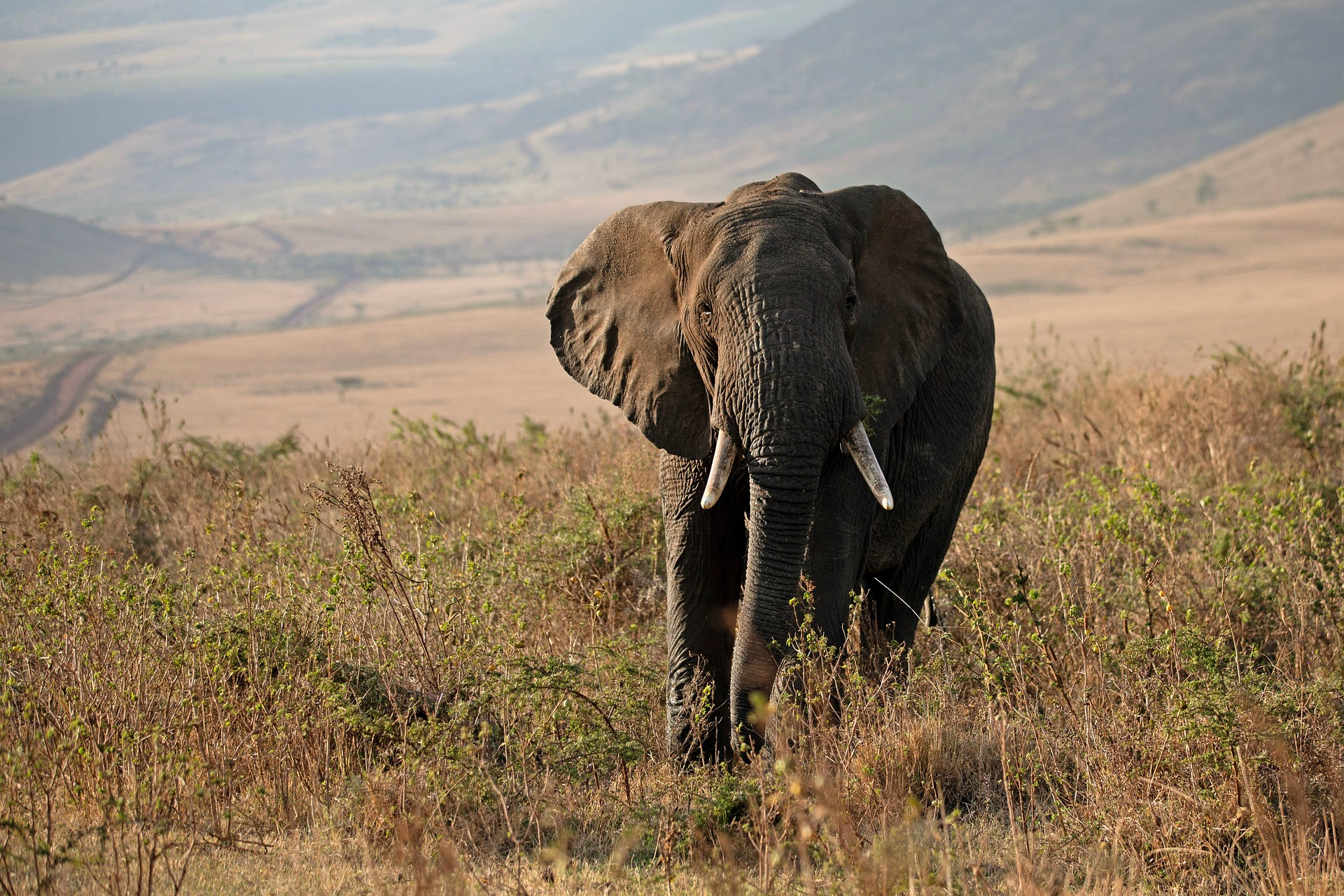
Big 5 Safari
For many, the ultimate safari dream is to witness Africa's legendary "Big 5." This iconic group of animals: the lion, leopard, elephant, rhino, and buffalo, is the cornerstone of a classic safari adventure. A Big 5 Safari in Tanzania's world-class national parks is a thrilling pursuit, offering the best chance to see these magnificent creatures in their natural habitat. Our guide is designed to help you plan a journey that not only checks off your Big 5 list but also provides a deeper, more meaningful connection to the wild.What are the Big 5?The term "Big 5" was coined by big-game hunters to denote the five most difficult and dangerous animals to hunt on foot. Today, the term has been reclaimed by the safari industry to represent the pinnacle of wildlife viewing. Each of the Big 5 is a symbol of Africa's raw power and beauty:Lion: The majestic King of the Jungle, often found in prides, a sighting of a lion on the hunt or at rest is a truly humbling experience.Leopard: The most elusive of the five, known for its secretive, solitary nature. Spotting a leopard draped over a tree branch is a rare and unforgettable moment.Elephant: The gentle giant and the largest land mammal. Witnessing a herd of elephants, from the protective matriarch to the playful calves, is a poignant sight.Rhino: Critically endangered, sighting a rhino is a profound experience. Tanzania is home to the black rhino, and the chance to see this ancient animal is a testament to dedicated conservation efforts.Buffalo: The formidable Cape buffalo, known for its unpredictable and formidable nature. Large herds grazing on the open plains create a striking safari scene.Where to Find the Big 5 in TanzaniaTanzania's northern circuit is a prime destination for a Big 5 safari, with several parks offering excellent opportunities to see all five species.Ngorongoro Crater: Considered one of the best places in Africa to see the Big 5 in a single day. The crater floor's unique, enclosed ecosystem has a high density of wildlife, including a resident population of the elusive black rhino.Serengeti National Park: Renowned for its abundant lions and the dramatic Great Wildebeest Migration, the Serengeti's vast plains also offer excellent opportunities to spot elephants, buffalos, and the elusive leopard.Tarangire National Park: While famous for its massive elephant herds, Tarangire is also a great place to find lions, leopards, and buffalo. Rhino sightings, however, are rare.Lake Manyara National Park: This park is a hidden gem for the Big 5. While it lacks rhinos, it offers a great chance to see the famous tree-climbing lions.The Best Time for a Big 5 SafariWhile a Big 5 safari is possible year-round in Tanzania, the dry season (June to October) is generally considered the best time. The vegetation is sparse, making it easier to spot animals, and the lack of rain means animals gather around shrinking water sources, creating a higher concentration of wildlife. However, the green season (November to May) has its own charm, with lush landscapes, fewer crowds, and the chance to see newborn animals.
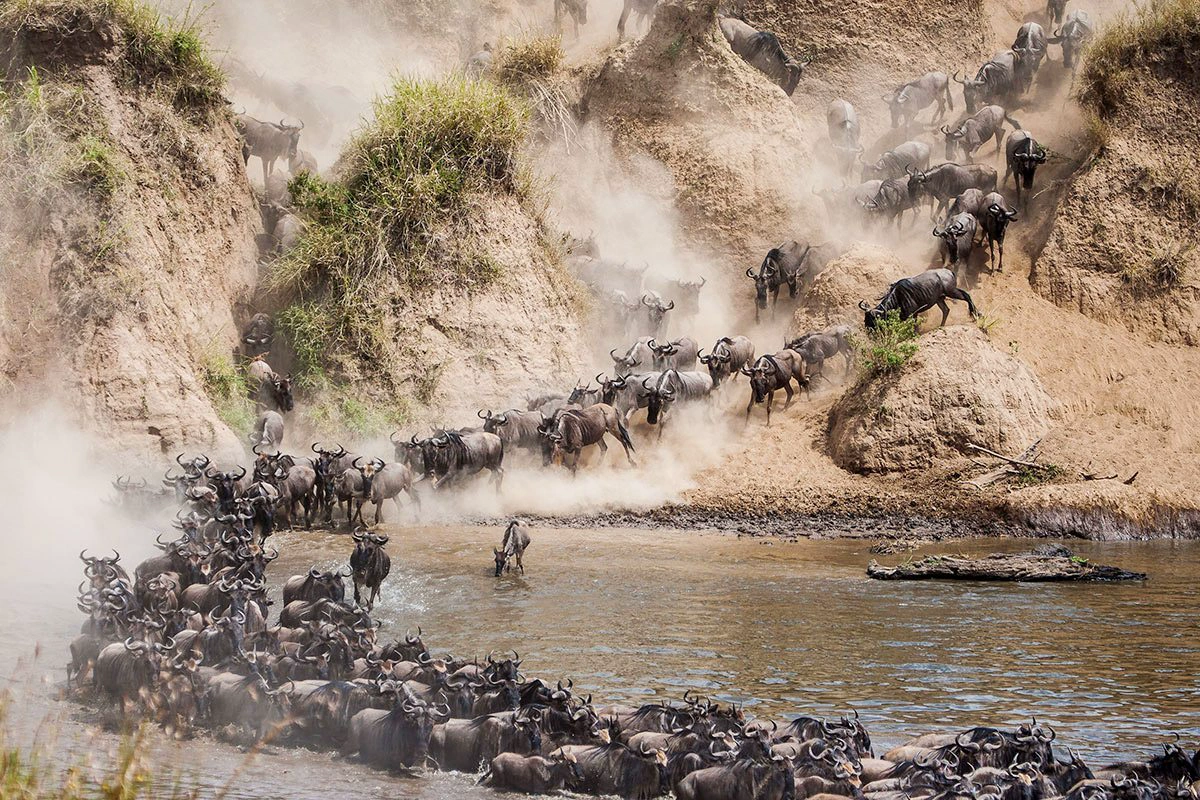
The Great Wildebeest Migration
Welcome to the heart of Africa's most breathtaking spectacle: the Great Wildebeest Migration. A true wonder of the natural world, this annual journey sees over a million wildebeest, zebras, and gazelles traverse the Serengeti-Mara ecosystem in a relentless quest for fresh grazing lands and water. Our guide provides an in-depth look at this epic migration, offering expert insights to help you plan your once-in-a-lifetime safari.What is the Great Wildebeest Migration?The Great Wildebeest Migration is a continuous, year-round movement of herds across Tanzania's Serengeti National Park and Kenya's Maasai Mara National Reserve. It is not merely a wildlife event; it is the largest overland migration on Earth, involving millions of wildebeest, zebras, and gazelles. Celebrated as "the greatest show on earth," it is also counted among Africa's "Seven Natural Wonders." This epic journey sees over a million animals, primarily wildebeest, but also tens of thousands of zebras and gazelles thundering across the vast plains of the Serengeti-Mara ecosystem. Driven by ancient instinct, they follow the rains in an endless search for fresh grazing and water, creating a cyclical pattern of life and survival. The migration is not a single event but a dynamic process with different highlights throughout the year, including dramatic river crossings and the calving season.What Makes This Natural Wonder So UniqueThe sheer scale and drama of the migration are what set it apart. Columns of animals can stretch for miles, creating a spectacle that is truly breathtaking to witness. The cycle of life and death is on constant display, from the joyous intensity of the calving season in the south to the heart-stopping river crossings, where predators lie in wait. This is a story of survival, a testament to the raw power of nature, and an unforgettable experience for anyone who witnesses it.A Quick Overview of the Serengeti & Maasai MaraThe migration takes place within two magnificent national parks in East Africa:Tanzania's Serengeti National Park: The herds spend the majority of their time, roughly 9-10 months, within the Serengeti's endless plains. This is where the migration begins with the dramatic calving season and continues with the Grumeti and Mara River crossings. A safari in the Serengeti offers a more expansive and less-crowded experience.Kenya's Maasai Mara National Reserve: The final chapter of the migration’s northern journey takes place here, most famously with the chaotic and thrilling Mara River crossings. The herds typically enter the Maasai Mara for a period of 2-3 months before beginning their return journey south.The Migration Cycle: A Month-by-Month BreakdownDecember to March (Ndutu & Southern Serengeti, Tanzania): The Calving SeasonEach year, over a million wildebeest, along with zebras and gazelles, gather in the lush southern Serengeti and Ndutu plains to give birth. This is the beginning of the migration cycle, when around 400,000 calves are born in just a few weeks. The abundance of newborns attracts predators such as lions, cheetahs, hyenas, and leopards, creating dramatic encounters between hunter and prey.Highlight: Witnessing the calving season offers an unparalleled chance to see the circle of life, newborn calves taking their first steps while predators seize the opportunity to hunt.Expert Tip: This is a dream season for wildlife photographers, with stunning light, short grasses for clear views, and raw, untamed drama on display.April to May (Central & Western Serengeti, Tanzania): The Journey NorthAs the rains shift, the herds begin moving northward through the central Serengeti. Endless columns of wildebeest stretch for miles, joined by zebras and antelopes as they search for fresher grazing grounds. By May, the herds gather in the Serengeti’s Western Corridor near the Moru Kopjes, where the rutting (mating season) begins, and the landscape vibrates with clashing males.Highlight: This period is quieter in terms of tourism, meaning fewer safari vehicles and more exclusive wildlife experiences.Expert Tip: May often brings the first river crossings at the Grumeti River maybe smaller than the Mara crossings but still thrilling, with crocodiles waiting for their chance. A great time for value-for-money safaris.June to July (Western & Northern Serengeti, Tanzania): The Grumeti River CrossingsBy June, the herds pack densely along the Grumeti River, where they face their first dangerous water crossing. Massive Nile crocodiles lie in wait as thousands of wildebeest plunge into the water. This is also the start of the dry season, concentrating wildlife around rivers and waterholes.Highlight: The Grumeti River crossings combine spectacle and intensity, a true test of survival for the migrating herds.Expert Tip: Camps and lodges near the Grumeti book out early. Plan your safari months in advance if you want front-row access to this extraordinary event.August to October (Northern Serengeti, Tanzania & Maasai Mara, Kenya): The Mara River CrossingsThis is the most iconic and dramatic phase of the migration. Herds numbering in the hundreds of thousands gather on the banks of the Mara River, hesitating before charging into the crocodile-infested waters. Chaos unfolds as predators stalk both banks, and sheer numbers overwhelm the river. Crossings can last minutes or hours, but they are unpredictable as nature follows no schedule.Highlight: The Mara River crossings are one of the greatest wildlife spectacles on Earth, with breathtaking scenes of life, death, and survival.Expert Tip: Be prepared to spend several days near the Mara River, as patience is key. This is peak safari season, so secure flights and lodges at least a year in advance.November (Eastern & Southern Serengeti, Tanzania): The Return SouthAs the short rains arrive, the herds begin moving back south through the Serengeti. The plains turn green again, offering fresh pastures for the wildebeest, zebras, and gazelles. The migration disperses over wide areas, creating a more tranquil but equally rewarding safari atmosphere.Highlight: With fewer crowds, November safaris are peaceful, and the landscapes are refreshed with lush greenery and dramatic skies.Expert Tip: This is an ideal time for photographers who enjoy wide landscapes, vivid colors, and more intimate wildlife encounters with fewer vehicles around.Where to See the Great Wildebeest MigrationThe Great Wildebeest Migration is a continuous, year-round journey that spans across the vast Serengeti-Mara ecosystem. Knowing where the herds are at any given time of the year is key to planning an unforgettable safari. While the migration's exact timing is unpredictable, it generally follows a predictable clockwise pattern, driven by the search for water and fresh grazing.Serengeti HighlightsThe Serengeti National Park is home to the migration for most of the year. The herds move through different regions of the park depending on the season, each offering a unique experience.Ndutu Region (December - March): This is the famed calving season. Located in the southern Serengeti and northern Ngorongoro Conservation Area, the short-grass plains of Ndutu become a massive nursery. Over half a million wildebeest calves are born here in a short, intense period, creating a feast for predators. It's a spectacle of new life and intense predator-prey drama.Grumeti River & Western Corridor (May - July): As the grasses in the south dry up, the herds begin their northward journey, creating long columns that stretch for miles. This movement leads them to the Western Corridor and the Grumeti River. Here, the animals face their first major obstacle: the crocodile-infested Grumeti River. While less dramatic than the Mara River crossings, the spectacle of thousands of animals hesitating and then plunging into the murky waters is a thrilling sight.Northern Serengeti (July - October): This is the season of the most famous and dramatic river crossings. The herds congregate at the Mara River, which flows through the northern Serengeti and into Kenya's Maasai Mara. For days, the wildebeest can build up on the riverbanks, creating an atmosphere of anticipation before they finally take the leap. The sheer volume of animals, the presence of crocodiles, and the high banks make for a truly epic and suspenseful viewing experience.Maasai Mara HighlightsWhile the Serengeti holds the herds for most of the year, the Maasai Mara National Reserve is the grand finale of the migration.Mara River & Main Crossing Points (July - October): The Mara River is the centerpiece of the migration in Kenya. This is where the most iconic and dramatic river crossings occur as the wildebeest cross into the lush plains of the Maasai Mara. Key crossing points along the river are often named and are where safari vehicles gather to witness the action. These crossings are chaotic, emotional, and unforgettable.Mara Triangle: The western section of the Maasai Mara, known as the Mara Triangle, is an excellent place to witness the migration. It is often less crowded than the main reserve, offering a more serene and private safari experience with incredible wildlife sightings, including the migration herds.The River Crossings – Nature’s DramaThe river crossings are the most famous and dramatic part of the Great Migration, and Tanzania offers two distinct opportunities to witness this spectacle. While the Mara River crossings are the pinnacle of this event, the herds must first contend with the crocodile-infested waters of the Grumeti River, a vital part of the journey that takes place entirely within the Serengeti National Park.Why River Crossings Are So FamousThe river crossings capture the imaginations of millions for several reasons:Life and Death Struggle: This is a literal survival-of-the-fittest event. The crossings are fraught with danger from two main predators: giant Nile crocodiles lurking in the water and lions and leopards waiting on the banks. Witnessing this intense struggle is a powerful and humbling experience.Sheer Scale: The sheer volume of wildebeest and zebras involved is breathtaking. The herds can stretch for miles, and the sound of their hooves thundering across the plains and splashing into the water is an unforgettable sensory experience.Unpredictable Action: The drama isn't just about the crossing itself. The herds can gather on the banks for days, building a palpable tension. Then, in an instant, a single wildebeest might take the leap, triggering a stampede of thousands behind it. The unpredictability is part of the thrill.The Crossing PointsTanzania offers two unique river crossing experiences, each with its own character and timing:The Grumeti River Crossing (May - July): This is the first major river crossing of the migration. As the herds move north, they must brave the Grumeti River in the Western Corridor of the Serengeti. While the crossings here are generally smaller and less frenzied than at the Mara River, they are a fascinating spectacle in their own right. The Grumeti River is home to some of the largest Nile crocodiles in Africa, making this an intense and captivating sight.The Mara River Crossing (July - October): This is the main event. While the Mara River flows through both Tanzania and Kenya, the wildebeest spend several months crossing back and forth in the northern Serengeti. A safari here allows you to witness the same iconic, chaotic crossings that are famous on the Kenyan side, but from a location that is often less crowded and feels more wild and remote.Timing & Planning Your SafariThe river crossings are the most difficult event to predict, as they are entirely dependent on rainfall and the instincts of the herds. To maximize your chances of witnessing a crossing:Peak Season: The main Mara River crossings occur between July and October. This is the best time to book a safari in the northern Serengeti, which is home to numerous luxury and mobile camps specifically designed to follow the herds and position you for a crossing.Be Patient: Go into your safari with the understanding that a crossing is a bonus, not a guarantee. Your experienced Tanzanian guide will use their knowledge to get you into the best possible position, but the animals move on their own schedule.Safety & Crowds: Always listen to your safari guide. They are experts on the animals' behavior and the safe distances to maintain. While some popular crossing points can attract crowds, the vastness of the Serengeti often allows for more exclusive viewing opportunities compared to the smaller Maasai Mara.Tips for Experiencing the Great MigrationPlanning a safari to witness the Great Migration requires strategic thinking. As a Tanzanian operator, we want to provide you with the essential tips to ensure your trip is not just successful, but truly a once-in-a-lifetime adventure.Booking Early: Secure Your Once-in-a-Lifetime AdventureThe most crucial tip for a migration safari is to book well in advance. The camps and lodges strategically located along the migration route have limited availability and are in extremely high demand, especially during the peak river crossing season.When to Book: To secure your preferred dates and accommodation, we recommend booking your safari at least 12 to 18 months ahead, particularly for the popular months of June through October. This is especially vital for the mobile camps that move with the herds, as they sell out very quickly.Benefits of Early Booking: Booking early not only guarantees your spot but also allows you ample time to prepare, secure flights, and work with our team to customize the perfect itinerary without the pressure of last-minute availability.It's Your Choice When to Go: The Migration is a Yearly CircleMany people believe the migration is a single event that only happens during the famous river crossings. This is a common misconception. The truth is, the Great Migration is a continuous, year-round cycle, and the herds spend the vast majority of their time within Tanzania's Serengeti ecosystem. This means you can see the migration at different stages throughout the year, each offering a unique spectacle.The Calving Season (December - March): Located on the southern short-grass plains of the Serengeti, this is a beautiful and moving time to visit. With over 80% of the calves born in just a few weeks, the plains are teeming with new life, and the predator-prey action is at its peak.The Journey North (April - June): This is a quieter, less-crowded season to witness the magnificent columns of wildebeest as they begin their long march north. The landscape is lush and green, and the Grumeti River crossings are a dramatic prelude to the main event.The River Crossings (July - October): The most famous spectacle, as the herds brave the crocodile-filled Grumeti and Mara Rivers. You can witness this incredible event from the Tanzanian side of the Mara River, which often offers a more secluded and authentic experience with fewer vehicles.There is More to Tanzania Than the MigrationWhile the Great Migration is a world-class attraction, Tanzania has so much more to offer. Don't limit your safari to just the Serengeti. A well-planned itinerary can combine the migration with other spectacular parks to give you a complete Tanzanian experience.Ngorongoro Crater: A UNESCO World Heritage Site and a natural amphitheater of wildlife. The crater floor is home to the densest population of big cats in Africa, and it's one of the best places to see the Big Five in a single day.Tarangire National Park: Known for its enormous elephant herds, iconic baobab trees, and fantastic game viewing, especially during the dry season.Zanzibar: After the dusty safari plains, relax on the pristine white-sand beaches of the Spice Island. A Zanzibar extension offers a perfect end to your adventure, combining thrilling wildlife with cultural exploration and relaxation.By booking early and being open to the different stages of the migration, you will experience the best of what Tanzania has to offer, from the awe-inspiring cycle of life in the Serengeti to the diverse and breathtaking landscapes of the country's other national parks.
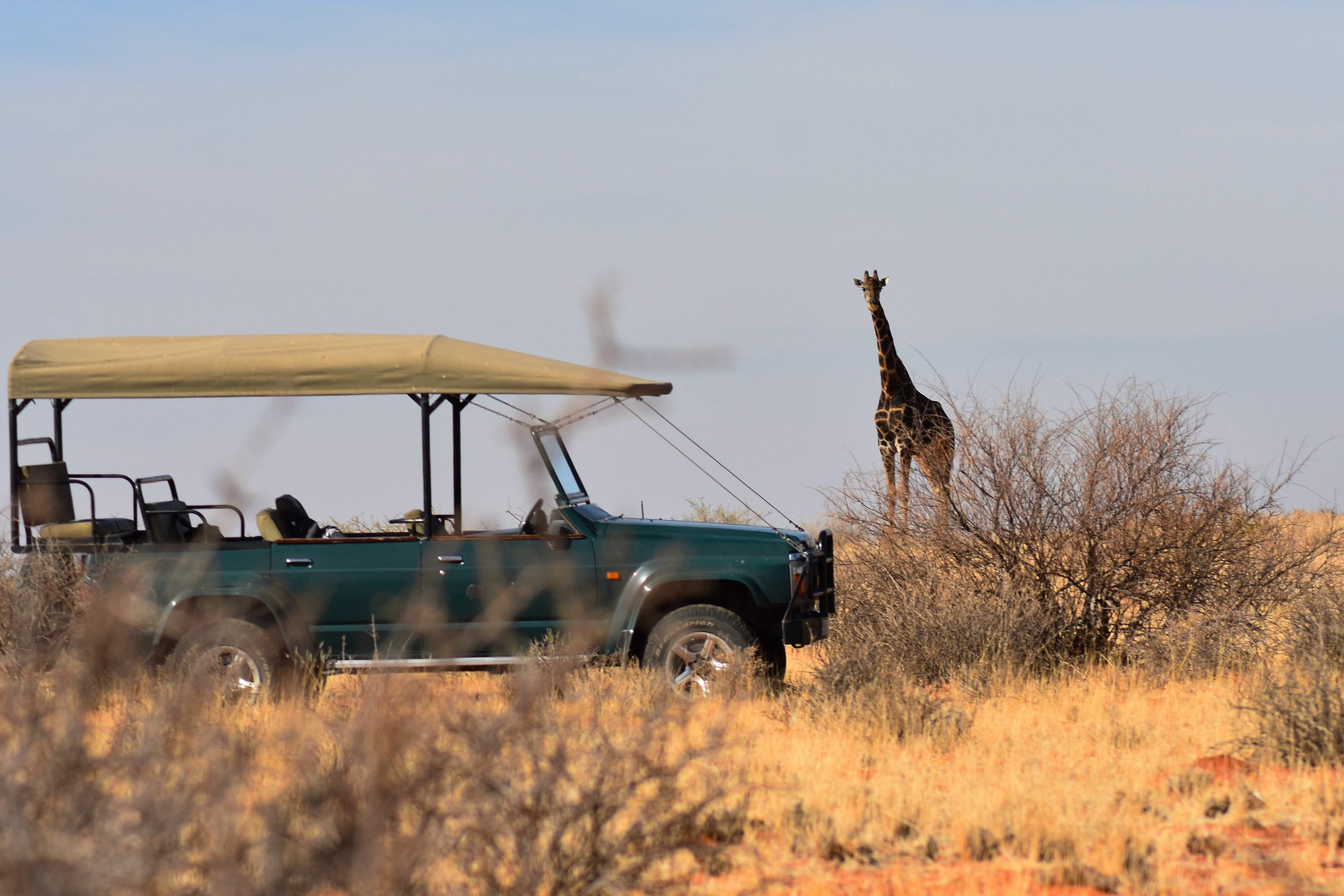
Safari Game Drives
A game drive is your window into the wild heart of Tanzania, a chance to traverse open plains, follow fresh animal tracks, and witness extraordinary moments in nature. Guided by experienced guides in specially designed 4×4 vehicles, you’ll enjoy comfort, panoramic views, and an intimate wildlife experience with small group sizes.The most rewarding times are often the cool hours of early morning and the golden light of late afternoon. Mornings might start with the aroma of fresh coffee as you set out, pausing mid-drive for a picnic breakfast overlooking the savannah. In the afternoons, drives flow into the magic of sunset, complete with chilled drinks, snacks, and skies ablaze in colour.Serengeti Steppe offers private game drives, giving you the flexibility to explore at your own pace and savour every moment of the wilderness.
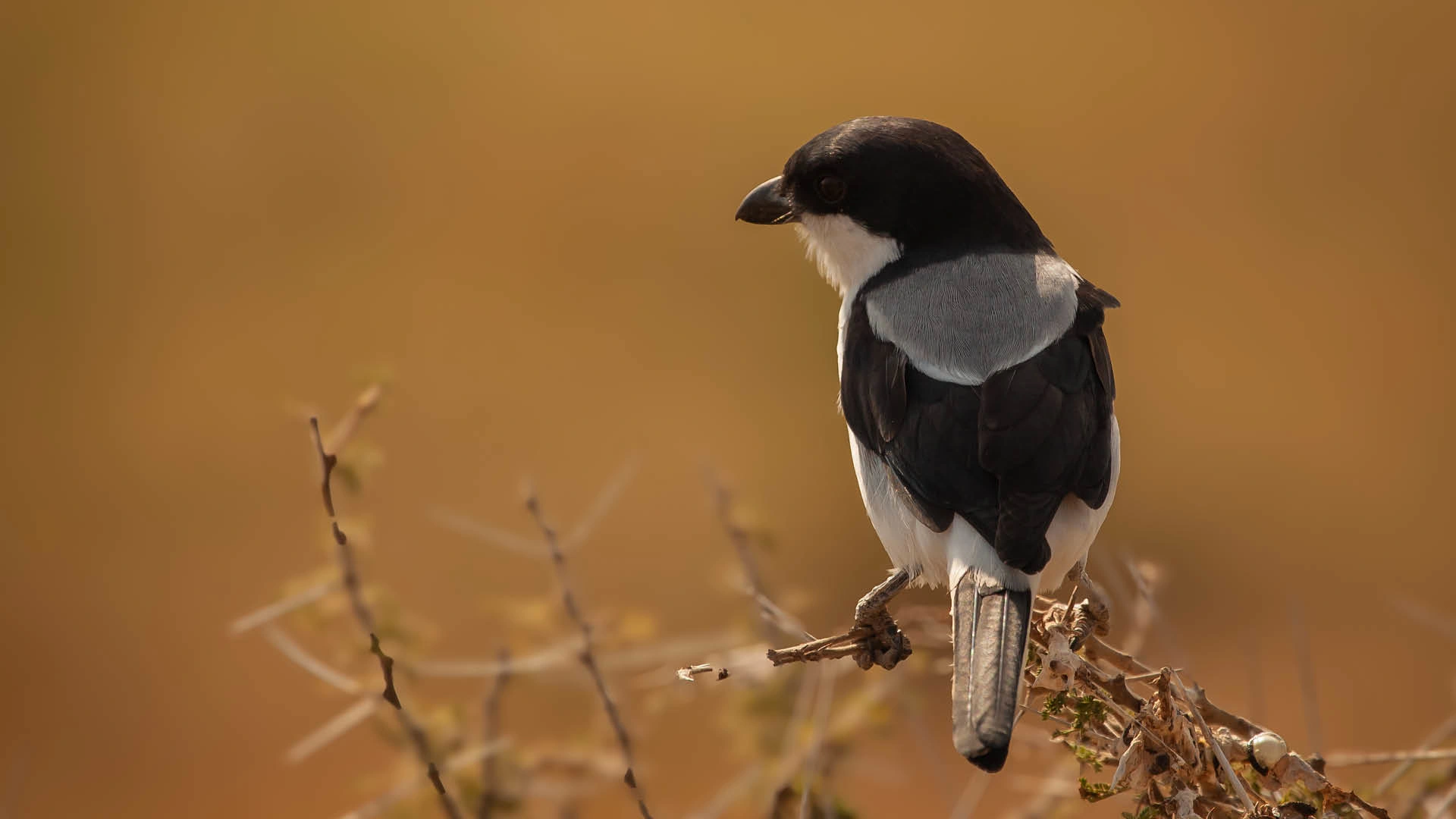
Bird-watching Safaris
For bird enthusiasts, a Serengeti Steppe birding safari is a must. East Africa is a migratory hub where hundreds of species from Europe, Asia, and Africa converge, set against dramatic, cinematic landscapes reminiscent of “Out of Africa.” It’s a paradise for those seeking both beauty and discovery.Guided by local experts who know the land and its feathered inhabitants intimately, you’ll explore the wilderness at a pace that allows you to observe and appreciate birds in their natural habitats. Walks and stops are interspersed throughout the safari to bring you closer to elusive and rare species.From soaring raptors to colorful songbirds, every sighting is a chance to connect with the wild in a quiet, contemplative way. Serengeti Steppe ensures that your birding experience is not just a checklist, but a meaningful journey into East Africa’s vibrant avian world.